Southern: Crafting Authenticity with a Handwritten Font
There is a specific kind of visual warmth that digital projects often lack. We scroll through endless feeds of geometric sans serifs and rigid corporate typefaces, yearning for something that feels a bit more human. Enter Southern, a premium handwritten font that manages to bridge the gap between casual charm and high-end elegance. It isn’t just a collection of letters; it is a design asset that infuses personality into every pixel and print. For designers, entrepreneurs, and content creators looking to step away from the generic, Southern offers a distinct voice that resonates with authenticity.
The Visual Personality of Southern
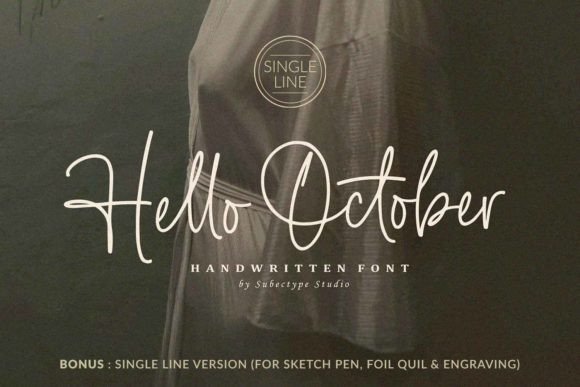
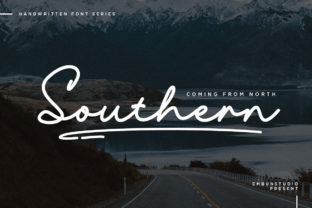
At first glance, Southern strikes you with its fluidity. Unlike many script fonts that try too hard to mimic the erratic nature of natural handwriting, Southern finds a beautiful middle ground. It possesses an elegant flow that feels organic but remains structured enough to be highly legible. The letterforms feature subtle variations in stroke width, mimicking the pressure of a felt-tip pen or a brush on textured paper. This creates a tactile quality, even when viewed on a screen.
The aesthetic is undeniably warm. It carries a "lovely" quality that feels inviting rather than aggressive. This is a typeface that whispers rather than shouts. Its visual personality is perfect for projects that require a touch of intimacy. Whether you are working on logo design for a boutique brand or creating social media graphics for a lifestyle influencer, Southern brings a level of sophistication that standard "handwriting" fonts usually miss. It avoids the childish look often associated with comic-style scripts, positioning itself firmly as a modern, adult typeface.
Strategic Applications: Where Southern Shines
Understanding where to deploy a creative font like Southern is just as important as liking how it looks. In the world of brand identity, consistency is king, but personality is the queen that captures the heart. Southern is a powerhouse for branding elements that need to feel personal. Think of a bakery’s menu, a wedding photographer’s watermark, or the header of a boutique clothing store. In packaging design, it can elevate a product from a shelf item to a "gift," suggesting that care and craftsmanship went into the creation.
For editorial design and web design, Southern works exceptionally well as a display font. It is not designed for body copy—the long paragraphs of text that require a sturdy serif or sans serif font for readability. However, for headlines, pull quotes, and subheadings, it is magnificent. It breaks up the monotony of a page layout, guiding the reader’s eye to the most important messages.
- Wedding Stationery: Its elegant feel makes it a natural fit for invitations, save-the-dates, and event signage.
- Digital Marketing: Use it on email opt-in headers or promotional graphics to add a human touch to digital campaigns.
- Apparel & Merch: The font translates beautifully to embroidery and screen printing for t-shirts, tote bags, and hats.
- Blog Headers: Lifestyle and travel bloggers can use Southern to create cohesive, magazine-style headers that define their visual niche.
Mastering Font Pairings and Visual Hierarchy
A common mistake in modern typography is using a handwritten font for everything. While Southern is beautiful, its power is maximized when used strategically within a typographic hierarchy. The goal is contrast. Because Southern has such a strong, organic personality, it pairs best with something clean and neutral.
Try pairing Southern with a geometric sans serif font for your body text. Fonts like Montserrat, Lato, or Open Sans provide the perfect backdrop, allowing Southern to pop without creating visual noise. If you prefer a more classic look, a transitional serif font like Garamond or Baskerville can create a stunning juxtaposition between old-world structure and modern fluidity.
Consider the "squint test" when laying out your design. If you squint your eyes until the text blurs, you should still be able to see a clear distinction between your headlines and your body copy. Southern should occupy the top of that hierarchy. Use it to highlight key phrases—perhaps a call to action or a specific product feature—while letting your supporting typography do the heavy lifting of information delivery.
Practical Guidance for Implementation
Before fully integrating Southern into your workflow, a bit of due diligence is required to ensure it meets your technical and creative needs. First, look at the character set. A high-quality premium font usually comes with more than just the standard A-Z. Check for ligatures (special character combinations like "th" or "st" that flow together naturally) and alternate glyphs. These features are crucial for making handwritten text look authentic rather than repetitive. If every "e" looks exactly the same, the illusion of handwriting breaks.
Next, evaluate the commercial licensing. If you are a small business owner or a publisher, you need to ensure your license covers your specific usage. Most fonts have different tiers for desktop use (logos, print), web use (CSS embedding), and app use. Reading the fine print now prevents legal headaches later.
Finally, test for readability across different sizes and backgrounds. Pull the font into your design software and mock it up on a mobile phone screen. Is it legible at 24 pixels? Place it over a busy photograph—is there enough contrast? Sometimes, adding a slight drop shadow or a semi-transparent overlay behind the text is necessary to ensure Southern remains readable while maintaining its aesthetic appeal.
The Emotional Impact on Audience Engagement
Typography is psychology. The fonts we choose tell our audience how to feel before they even read the words. A rigid, bold sans serif might scream "efficiency" and "modernity," but it can also feel cold. Southern, conversely, signals approachability and care. For a marketer or entrepreneur, this is a powerful tool.
When you use a font like Southern in your brand identity, you are making a promise of a personal touch. It suggests that there are real humans behind the brand. This is particularly effective for service-based businesses, coaches, and creative agencies. It lowers the guard of the consumer, making them feel more comfortable and connected to the message.
However, context is everything. If you are designing a corporate report for a law firm or a cybersecurity dashboard, Southern might undermine the seriousness of the content. It is a font of warmth and creativity, not authority and austerity. Knowing when not to use a font is just as valuable as knowing how to use it. For the right project, though, Southern is the secret ingredient that turns a standard layout into a memorable experience.
Conclusion: Elevating Your Creative Toolkit
In the vast ocean of design assets available today, finding a typeface that is both versatile and distinctive is a challenge. Southern manages to deliver a unique touch that adapts to various creative demands without losing its soul. It is a testament to how modern typography can evolve to meet our need for connection in a digital age.
Whether you are refreshing a logo, launching a new product line, or simply looking to add some elegance to your personal projects, Southern deserves a spot in your font library. It reminds us that design isn't just about geometry and grids; it's about feeling. By choosing a font that speaks with grace and character, you ensure that your message isn't just seen—it is felt.