Frank Steins: A Handwritten Font with Genuine Character
In a digital landscape saturated with clean lines and geometric precision, there's a growing desire for something more human, more authentic. This is where a font like Frank Steins enters the conversation. It’s not just another script font; it's a carefully crafted handwritten typeface designed to inject warmth, personality, and a distinct touch of artistry into any project. For designers, entrepreneurs, and creators looking to break away from the sterile and connect on a more personal level, understanding the strengths and applications of Frank Steins is a practical step toward more effective visual communication.
The Visual Personality of Frank Steins
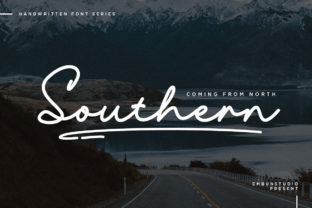
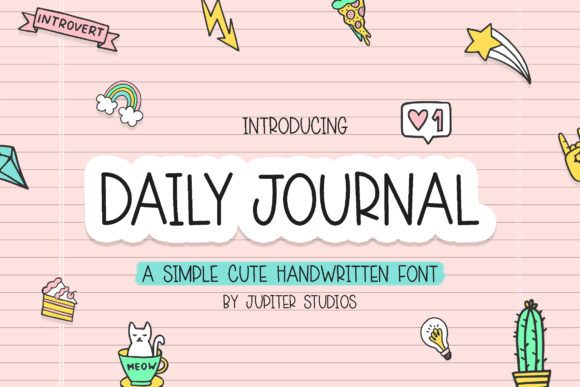
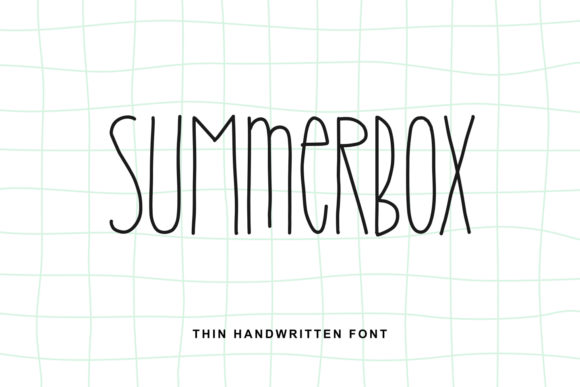
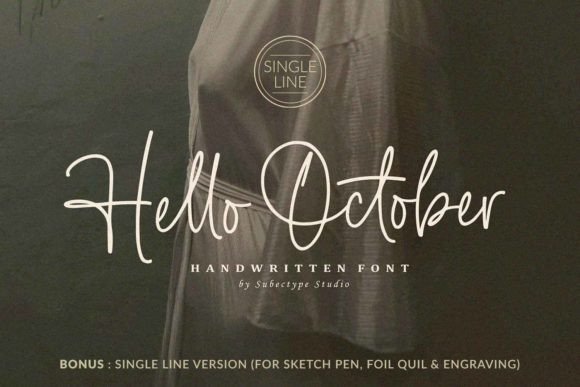
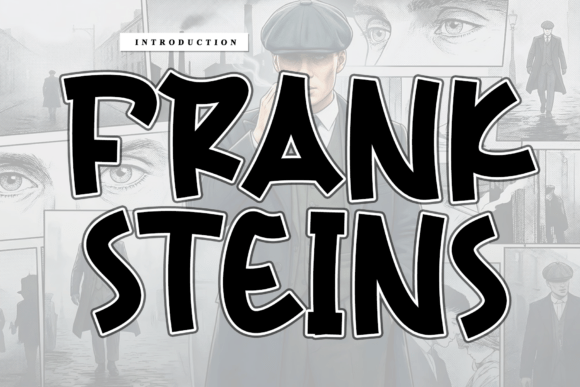
At first glance, Frank Steins presents itself as a lovely and timeless handwritten font. Its charm lies in its balanced irregularity. Unlike fonts that mimic hurried scrawl or overly formal calligraphy, Frank Steins strikes a middle ground. The letterforms have a natural, flowing rhythm, with subtle variations in stroke width and baseline that mimic the organic feel of pen on paper. This isn't a font that tries to be perfect; its beauty is in its imperfect, human character.
The overall aesthetic is approachable yet sophisticated. It carries a certain elegance without feeling pretentious. This makes it a remarkably versatile display font. Each letter feels individually considered, giving text set in Frank Steins a unique and beautiful touch that can truly make a design come alive. It’s the kind of typeface that adds a layer of storytelling, suggesting a brand or message that values craftsmanship and personal connection. When you choose Frank Steins, you're not just selecting letters; you're adopting a specific voice—one that is friendly, creative, and genuinely engaging.
Where Frank Steins Truly Shines: Practical Applications
The true test of any creative font is its utility across real-world projects. Frank Steins excels in scenarios where you need to capture attention and convey a sense of authenticity. Its strength as a logo design asset is immediately apparent. A logo sets in Frank Steins feels bespoke and memorable, perfect for boutique businesses, artisanal products, cafes, wedding planners, or any brand that wants to emphasize a handcrafted ethos. It moves beyond a simple wordmark to become a recognizable brand signature.
Beyond logos, its applications are extensive:
- Branding & Identity: Use it consistently on business cards, letterheads, and packaging to build a cohesive and warm brand identity. It works beautifully for brand names, taglines, or key messaging.
- Marketing & Social Media: In the fast-scrolling world of social media, Frank Steins is a stopper. It’s ideal for social media graphics, quote images, Instagram Stories, and promotional banners where you need to cut through the noise with personality. It adds a human touch to digital ads and email headers.
- Publishing & Editorial Design: While not for body text, it’s a standout choice for book covers, chapter titles, pull quotes in magazines, or author names on a spine. In editorial design, it can highlight a personal essay or a feature story with flair.
- Packaging Design: For product labels, especially on gourmet foods, cosmetics, or handmade goods, Frank Steins communicates quality and care. It tells the customer there’s a story behind the product.
- Personal & Creative Projects: From wedding invitations and greeting cards to inspirational wall art and crafting projects, this handwritten font adds a heartfelt, personal dimension that generic fonts simply can't match.
Making Frank Steins Work for Your Project: Key Considerations
Choosing the right font is a strategic decision. While Frank Steins is a powerful design asset, its effectiveness depends on thoughtful implementation. First, consider readability. As with any script or handwritten font, legibility decreases with smaller sizes and longer blocks of text. Frank Steins is best used for headlines, logos, and short phrases. Always test it at the intended size and on the intended medium—a font that looks elegant on a large poster might become muddy on a mobile screen.
Next, think about font pairing. The character of Frank Steins is strong, so it needs a complementary partner for supporting text. It pairs exceptionally well with clean, simple sans serif fonts or classic, understated serif fonts. The contrast allows Frank Steins to be the star while the secondary font ensures clear communication for longer paragraphs. Avoid pairing it with other ornate or highly stylized fonts, as this can create visual clutter and weaken your message.
When evaluating if it's the right fit, review the full character set. Does it include the glyphs, ligatures, and alternates you need? A good premium font often includes stylistic alternates that allow you to customize the look further, ensuring your design feels unique. Finally, for any commercial project, ensure you have the correct commercial font license. Understanding the terms of use is a non-negotiable part of professional practice, protecting both you and the font's creator.
In the end, Frank Steins is more than just a typeface; it's a tool for connection. It leverages the principles of modern typography to deliver something timeless: the feel of the human hand. By understanding its personality and applying it with intention, you can leverage its unique charm to enhance visual hierarchy, strengthen brand perception, and create designs that resonate on a genuinely human level. Whether you're building a brand from scratch or refreshing an existing identity, it’s a worthy contender for your font