Destination Font: Crafting a Timeless Brand Identity
There is a specific kind of magnetism that certain typefaces possess—the ability to stop a scrolling thumb on a social media feed or make a customer pick up a physical product from a shelf. Destination is exactly that kind of font. It is not merely a collection of letters; it is a carefully crafted handwritten typeface that bridges the gap between casual authenticity and polished elegance. In a digital landscape saturated with rigid sans serifs and predictable serif fonts, Destination offers a refreshing, human touch. It captures the warmth of personal handwriting while maintaining the legibility required for professional branding, making it an essential asset for designers, entrepreneurs, and content creators looking to inject personality into their work.
The Visual Personality of Destination
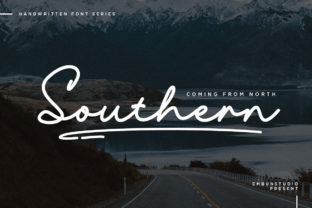
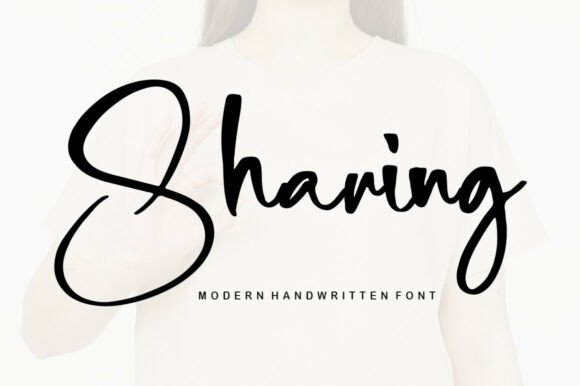
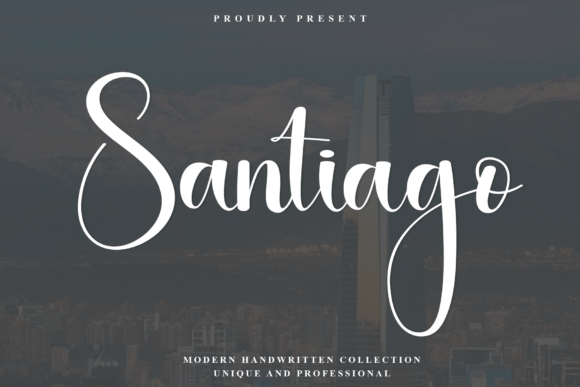
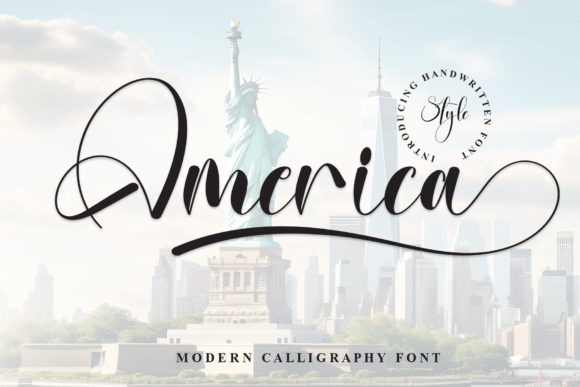
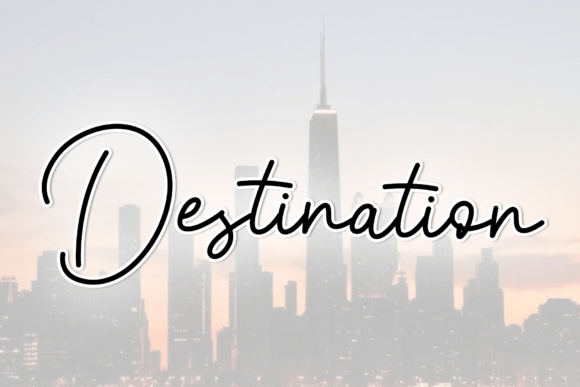
When you analyze the anatomy of Destination, you notice a deliberate fluidity. Unlike many modern script fonts that rely on aggressive swashes or overly complex ligatures, Destination adopts a balanced, approachable style. The letterforms feature a natural baseline and varied stroke widths that mimic the pressure of a real pen on paper. This organic variation is crucial; it prevents the text from looking "digital" or sterile. The overall aesthetic is timeless rather than trendy, meaning it won’t feel dated six months from now. It strikes a perfect balance—it is decorative enough to be a display font for headers, yet clear enough to function in short-form body text where a human touch is needed.
The personality of this typeface is versatile. Depending on the context, it can feel rustic and artisanal, or sophisticated and luxurious. This adaptability stems from its clean edges and well-balanced negative space. It doesn't scream for attention with gimmicks; instead, it draws the eye through its sheer elegance. For those seeking a premium font that avoids the "wedding invitation" cliché often associated with script fonts, Destination provides a mature, grounded alternative.
Strategic Applications: Where Destination Shines
Understanding where to deploy a handwritten font like Destination is just as important as the font itself. Its utility spans across nearly every medium of modern typography, from digital interfaces to tangible goods.
Logo Design and Brand Identity
For small business owners and startups, your logo is your handshake. Destination is an exceptional choice for creating a logo design that feels personal and trustworthy. It works beautifully for lifestyle brands, boutique agencies, coaching businesses, and artisanal products. When used as the primary wordmark, it establishes immediate intimacy with the audience. It suggests that there is a real human behind the business, not just a corporation. Paired with a geometric sans serif for supporting text, it creates a dynamic visual hierarchy that guides the viewer's eye naturally.
Digital Content and Web Design
In the realm of web design, typography plays a massive role in user experience (UX). While you wouldn't set an entire blog post in a script font, Destination is perfect for accent elements. Think pull quotes, section headers, or call-to-action buttons. It breaks the monotony of standard web fonts and highlights key information effectively. For social media graphics, this font is a powerhouse. Instagram stories, Pinterest pins, and quote cards rely heavily on visual impact. Destination allows you to create text-based images that feel artistic and hand-crafted, increasing engagement and shareability without requiring complex illustration skills.
Publishing and Editorial Design
Publishers and bloggers often struggle to find fonts that bridge the gap between editorial design and readability. Destination solves this for book covers, magazine headers, and newsletter mastheads. It adds a layer of storytelling before the reader even engages with the first sentence. It suggests a narrative voice—perhaps conversational, intimate, or reflective. For content creators producing digital guides or PDF lead magnets, using this typeface for titles can significantly elevate the perceived value of the content, transforming a simple document into a professional design asset.
Packaging and Print
Physical products require a different kind of shelf appeal. In packaging design, texture and typography are king. Destination is ideal for product labels, business cards, thank-you cards, and merchandise. Its clarity at various sizes ensures that critical information remains readable, while its stylistic flair adds that "boutique" feel. Whether you are selling coffee beans, skincare products, or handmade crafts, this font helps position your product as high-quality and intentional.
Mastering Readability and Visual Hierarchy
One of the most common pitfalls in using creative fonts is sacrificing legibility for style. However, Destination is engineered with functionality in mind. The "x-height" (the height of lowercase letters) is generous, and the spacing between characters is optimized to prevent the letters from blurring into one another—a common issue with connected scripts.
To maximize readability, consider the contrast between your background and the text. High contrast (black on white) is best for long-form usage, but Destination also holds up surprisingly well in muted, earthy color palettes often used in modern branding. When establishing a visual hierarchy, use Destination for your H1 or H2 headers to grab attention, and pair it with a clean, neutral sans serif font for the body copy. This contrast creates a rhythm that is easy for the eye to follow. It prevents the design from becoming overwhelming while ensuring that the most important messages—the emotional hooks—are delivered in the most expressive typeface.
Practical Implementation and Pairing
Choosing the right font pairing is an art form. Destination is a chameleon, but it has specific partners that make it sing. Because it is a script font, it generally pairs best with structured, geometric fonts that offer contrast.
- With Sans Serifs: Pairing Destination with a font like Montserrat, Open Sans, or Futura creates a modern, clean look. The rigidity of the sans serif grounds the fluidity of the handwritten script. This combination is excellent for web design and corporate branding that needs a human touch.
- With Serifs: If you are aiming for a more luxurious or editorial vibe, try pairing it with a transitional serif font like Garamond or Baskerville. This works well for book covers and high-end packaging design.
Before finalizing your design, always test the font in context. Type out the specific words you intend to use. Does the kerning look right? Does the "r" connect awkwardly to the "a"? While Destination is well-crafted, every typeface requires a sanity check regarding specific letter combinations. Furthermore, check for licensing. If you are using this for commercial projects—such as client work, merchandise, or templates—ensure you have the appropriate commercial license. Using a premium font legally protects your business and supports the typographers who design these essential design assets.
Ultimately, Destination is more than just a tool; it is a voice. It allows you to speak to your audience with warmth, confidence, and style. By integrating it thoughtfully into your brand identity, you move beyond generic templates and create something that truly resonates. Whether you are a blogger looking to beautify your headers or an entrepreneur building a brand from the ground up, this timeless handwritten font offers the perfect blend of personality and professionalism. It invites your audience in, makes them feel welcome, and ensures your message is not just read, but felt.