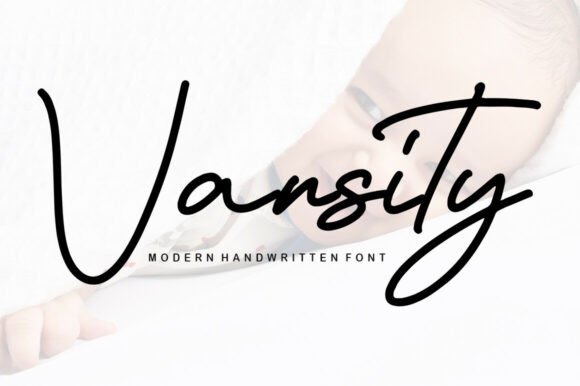
Varsity Font: The Sweet, Friendly Handwriting Style for Your Projects
When you need a typeface that feels personal, warm, and approachable, Varsity is a standout choice. This sweet and friendly handwritten font captures a casual, fresh vibe that’s surprisingly versatile. It’s not just another script font; it’s a design asset that can inject genuine personality into your work, making it feel more human and relatable.
Visually, Varsity has a natural, flowing rhythm. The letterforms mimic real handwriting with subtle variations in stroke width and a slight, charming irregularity. It avoids being overly polished or perfect, which is precisely what gives it authenticity. The overall style is legible and open, making it a practical handwritten font for more than just headlines. It carries a joyful, optimistic energy that works beautifully for projects aiming to connect on an emotional level.
Where Does the Varsity Typeface Shine?
Think of Varsity as your go-to for projects that require a lovely touch. Its strength lies in applications where warmth and personality are more important than rigid formality. For wedding invitations, it’s a natural fit, setting a romantic and celebratory tone from the first glance. Greeting cards, thank-you notes, and personal stationery also benefit immensely from its friendly character.
Beyond personal projects, Varsity is a powerful tool for brand identity and marketing. Imagine it on the packaging for artisanal goods, a boutique bakery’s logo, or the social media graphics for a lifestyle blogger. It communicates approachability and care. In editorial design, it can be used for pull quotes, section headers in magazines, or chapter titles in light-hearted books to add a conversational feel. For web design, it works wonderfully for call-to-action buttons, testimonial sections, or short descriptive text where you want to guide the user’s eye with a personal nudge.
Practical Guidance for Using Varsity Effectively
Choosing the right font is only half the battle; using it well is what creates impact. Start by evaluating your project’s core message. Is it playful, heartfelt, or casual? Varsity excels in these areas. If your design requires strict corporate seriousness or high-density data presentation, a clean sans serif font or a classic serif font might be a better primary choice, with Varsity used sparingly for accents.
Always test font pairing. Varsity’s handwritten style pairs beautifully with simple, geometric sans serifs or elegant serifs. For example, using Varsity for headlines and a font like Montserrat or Lora for body text creates a clear visual hierarchy that is both engaging and easy to read. Avoid pairing it with other decorative or overly complex script fonts, as this can create visual clutter and reduce readability.
Check the font package for included styles. Many premium fonts like Varsity come with alternates, ligatures, or multiple weights. These extras are invaluable for adding variety and avoiding repetition in your designs. For instance, using different swashes or letter variations can make a block of text feel more organic and handcrafted.
When considering commercial licensing, review the terms carefully, especially if you’re a small business owner or entrepreneur. Ensure the license covers your intended use—whether for digital products, printed merchandise, or client work. A clear understanding protects your project and respects the type designer’s work.
Finally, think about consistency. Using Varsity across multiple touchpoints—your website, social media, and print materials—can strengthen brand recognition. Its distinctive style becomes a recognizable part of your visual language, helping your audience feel a consistent connection with your brand’s personality. It’s a creative font that, when used thoughtfully, doesn’t just decorate a design but actively communicates its heart and soul.