The Enduring Appeal of the White Zone Handwritten Font
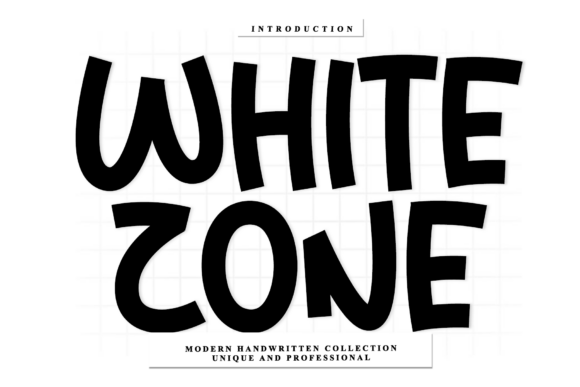
In a digital landscape saturated with sterile, geometric typefaces, there's a profound human desire for authenticity. We crave the imperfect, the personal, the touch of a human hand. This is precisely where White Zone excels. More than just a collection of letters, it's a premium handwritten font that captures the elegant spontaneity of a master penman. Each glyph carries a unique, flowing character, designed not for sterile perfection but for vibrant, living expression. It's the kind of typeface that doesn't just sit on a page; it communicates feeling, personality, and craft before a single word is read.
Understanding the Character and Craft of White Zone
At its core, White Zone is a script font defined by its fluid, connected strokes and a balanced rhythm. It avoids the extremes of being either too casual or overly formal. The letterforms feature subtle variations in thickness, mimicking the natural pressure changes of a brush or felt-tip pen. This gives it a warm, approachable personality. It feels modern yet timeless, sophisticated without being stuffy. Think of it as the font equivalent of a beautifully handwritten thank-you note—it carries weight, care, and a distinct personal signature.
Its versatility stems from this careful balance. Unlike some display fonts that are locked into a single aesthetic, White Zone adapts. It can be the centerpiece of a luxurious brand identity or the charming accent in a social media post. The key is understanding its strengths: it commands attention as a headline or logo typeface but should be used sparingly for body text to maintain optimal readability.
Where White Zone Truly Shines: Practical Applications
Knowing a font's personality is one thing; knowing where to deploy it is where strategy meets design. Here’s how White Zone can elevate various projects:
- Logo Design and Brand Identity: This is White Zone's natural habitat. A logo set in this handwritten font instantly conveys creativity, approachability, and a human touch. It's perfect for businesses in the wedding industry, artisanal food, boutique consulting, beauty brands, or any venture where the founder's personal story is part of the value proposition. It helps build a brand identity that feels authentic and memorable.
- Marketing and Social Media Graphics: In the fast-scroll of Instagram or Pinterest, White Zone stops the eye. Use it for impactful quotes, call-to-action buttons, webinar titles, or email subject line headers. It adds a layer of visual interest and emotional resonance that standard sans serif fonts often lack, boosting engagement and shareability.
- Packaging and Editorial Design: On product packaging, this creative font can highlight key ingredients, a brand slogan, or a special edition name, creating shelf appeal. In editorial design for magazines or blogs, it works beautifully for pull quotes, article titles, or chapter headings, adding a tactile, crafted feel to the layout.
- Digital and Print Collateral: From website hero sections and landing page headlines to wedding invitations, greeting cards, and event posters, White Zone brings elegance and personality. Its consistent charm translates seamlessly from screen to print, ensuring your message feels cohesive across all touchpoints.
Integrating White Zone into Your Design Workflow
Adopting a new font is a decision that impacts visual hierarchy and brand perception. Here’s a practical guide to working with White Zone effectively.
Pairing for Maximum Impact
A handwritten font like White Zone rarely works alone in a full layout. The principle of contrast is your best friend. Pair it with a clean, geometric sans serif font for body text—think fonts like Montserrat, Lato, or Open Sans. This contrast ensures readability while allowing White Zone to own the spotlight for headlines. For a more classic or editorial feel, consider pairing it with a sturdy serif font like Merriweather or Georgia. The goal is to create a clear visual hierarchy where the handwritten element draws the eye, and the supporting type provides clarity.
Evaluating Readability and Context
Always test the font at the size and in the context it will be used. While stunning at 48px for a poster headline, White Zone may become difficult to read at 12px in a paragraph. Consider your audience and medium. For a children's book cover, its playful flow is perfect. For legal disclaimers on a website, it would be inappropriate. Its strength lies in display use—where it can be appreciated for its form as much as its function.
Exploring Styles and Licensing
A comprehensive font family often includes multiple styles. Check if White Zone offers additional weights, alternates, or swashes. These extras can provide valuable design flexibility, allowing you to customize ligatures or add decorative flourishes to key letters for an even more unique look. Crucially, before using it for any commercial project—whether a client's logo, merchandise, or a paid publication—verify the licensing terms. Ensure your license covers the intended use to avoid legal issues down the line. Investing in a proper commercial font license is a mark of professionalism and supports the type designers who create these invaluable assets.
Ultimately, White Zone is more than a design asset; it's a tool for storytelling. It allows creators to infuse their work with a sense of handcrafted authenticity in an increasingly automated world. By understanding its character and applying it thoughtfully, you can leverage this beautiful typeface to create designs that are not only seen but felt, building stronger connections with your audience and elevating your creative projects to a new level of sophistication and appeal.