Roughline: A Display Font with Authentic Grit
Understanding Roughline's Distinct Personality
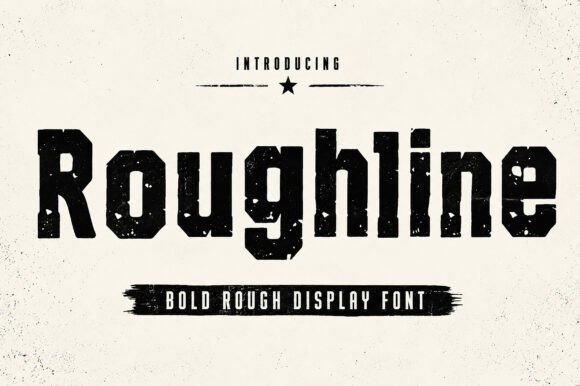
Roughline is a premium font that doesn't whisper; it speaks with a confident, textured voice. At its core, it's a bold display typeface built for impact. Its character comes from intentional imperfection—distressed textures, uneven edges, and robust letterforms that collectively create a handcrafted, vintage grunge aesthetic. This isn't a font for delicate body text or quiet, minimalist layouts. It's designed to be the visual equivalent of a worn band t-shirt, a faded garage sign, or a sticker slapped on a toolbox. The personality is unapologetically rough, audacious, and nostalgic, drawing clear inspiration from underground street culture, retro print shops, and industrial typography.
What makes Roughline stand out among creative fonts is its authenticity. The etched texture isn't a uniform filter applied after the fact; it's woven into the DNA of each character. This gives it a genuine, worn-in quality that resonates with projects needing a human touch. For designers, entrepreneurs, and content creators, this font offers a shortcut to a specific mood: one that's energetic, slightly rebellious, and deeply rooted in a gritty, urban charisma. It’s a typeface that understands the appeal of the imperfect and the enduring style of things built to last.
Where Roughline Truly Shines: Practical Applications
Knowing where a font like Roughline excels is key to using it effectively. Its strength lies in applications where a strong, immediate impression is more important than subtle elegance. Think of projects where you want to convey energy, authenticity, and a touch of nostalgia.
- Logo and Brand Identity: For brands in streetwear, craft breweries, artisan coffee, tattoo studios, or any business with a workshop or garage ethos, Roughline can form the core of a powerful logo. It instantly communicates a brand identity that's hands-on and real. It works exceptionally well for wordmarks and logotypes where the text itself is the primary graphic element.
- Apparel and Merchandise: This is a natural home for Roughline. On t-shirts, hoodies, hats, and patches, its distressed texture looks fantastic, especially when printed with techniques like screen printing or direct-to-garment (DTG) that can highlight its details. It’s built for the direct-to-garment product market.
- Music and Entertainment: Album artwork, band logos, concert posters, and festival promotions benefit immensely from Roughline's vintage grunge feel. It aligns perfectly with genres like rock, punk, blues, and indie music, helping to visually amplify the sound and attitude of the project.
- Editorial and Packaging Design: Use it for bold headings in magazine layouts, blog headers, or book covers, especially for genres like thriller, true crime, or adventure. In packaging design, it can make products like hot sauces, craft soda, or artisanal tools feel more authentic and rugged on the shelf.
- Digital and Social Media: In the crowded space of social media graphics, a bold, textured font like Roughline can stop the scroll. It’s excellent for creating impactful YouTube thumbnails, Instagram story headers, or promotional banners that need to convey urgency and character. Its excellent readability at larger sizes makes it suitable for web design headers and hero text.
The key is to match the font's personality with the project's goals. If you're designing a logo for a yoga studio or a luxury jewelry brand, Roughline is likely the wrong choice. But for a local motorcycle club, a DIY craft fair, or a new line of graphic tees, it’s often the perfect fit.
Working with Roughline: A Practical Guide
Integrating a strong display font into your workflow requires some thought to ensure it enhances rather than overwhelms your design. Here’s how to approach working with Roughline.
Font Pairing Strategies
Roughline demands a counterpart that can provide balance and readability for longer text. Its ideal partners are clean, simple, and understated.
- With a Sans Serif Font: This is often the most versatile pairing. A clean, geometric sans serif (like a Helvetica, Futura, or a simple humanist sans) can provide a calm, modern counterpoint to Roughline's energy. Use the sans serif for subheadings, body copy, and supporting information.
- With a Serif Font: For a more classic or slightly editorial feel, pairing with a simple, readable serif font can work well. The contrast between the distressed display face and the refined serif can create interesting visual tension.
- Avoid: Pairing it with other highly decorative, script, or handwritten fonts. The result will almost always be chaotic and difficult to read. Let Roughline be the star of the show.
Evaluating Fit and Readability
Always test the font in the context of your specific project. Create a mockup of your logo on a business card, your heading on a website, or your text on a t-shirt. Check its readability at the intended size and from a typical viewing distance. Its bold display mode is excellent for headlines, but its textured details can merge if scaled down too small. Use it for impact, not for fine print.
Leveraging Its Character Set
Roughline includes uppercase characters, numerals, and punctuation. This is sufficient for the vast majority of display applications—headlines, logos, and titles. For projects requiring lowercase letters or an extended character set for multilingual support, you would need to source a complementary font for those specific needs. Always review the full character set of any commercial font you purchase to ensure it meets your project's requirements.
Licensing and Professional Use
As a premium font, Roughline comes with a commercial license. This is a critical consideration for any professional project, whether it's for a client, your own business, or a product for sale. The license grants you the legal right to use the font in your commercial work, from logo design and packaging to social media graphics and merchandise. Always purchase and use fonts from reputable foundries to ensure you have the correct license and support the designers who create these valuable assets.
In the end, Roughline is more than just a collection of letters; it's a design asset with a strong point of view. Used thoughtfully, it can become the defining visual element that gives a project its voice, its attitude, and its memorable, gritty charm. It’s for those who believe that sometimes, the most beautiful things are a little rough around the edges.