Rolling Serif: A Modern Classic for Premium Design
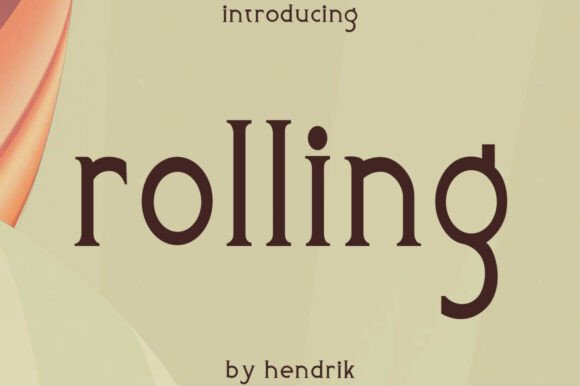
In a landscape saturated with either stark minimalism or overly ornate vintage revivals, finding a typeface that feels both fresh and enduring can be a challenge. Rolling Serif enters this space with a distinct personality. It’s a modern serif font that doesn’t just sit on the page; it moves. The design takes the foundational structure of classic serif letterforms and infuses them with a subtle, dynamic energy. You see it in the gentle curves that soften the bold strokes and in the balanced proportions that feel intentional without being rigid. This isn’t a font that shouts; it speaks with a confident, artistic voice. The subtle serif details are present enough to guide the eye and add a touch of formity, but they don’t overwhelm the overall clean aesthetic. The result is a typeface that feels luxurious, artistic, and inherently classy. It carries the weight of tradition but wears it with a contemporary flair, making it a compelling choice for projects that need to convey both substance and style.
Where Rolling Serif Truly Shines
The real test of any premium font is its versatility across different mediums and contexts. Rolling Serif demonstrates a strong aptitude for work where brand perception and visual hierarchy are paramount. In logo design, its bold yet elegant letterforms create a mark that is instantly recognizable and memorable. It lends a sense of established quality to a new brand or a refreshed sophistication to an existing one. For editorial design, think of magazine mastheads, feature article titles, or book covers. The font commands attention on the page while maintaining excellent readability for larger blocks of display text. Its character helps set the tone for the content within, whether it’s a luxury lifestyle piece or a sophisticated cultural review.
Beyond print, Rolling Serif translates beautifully into the digital realm. As a display font for web design, it can elevate a homepage hero section, a product title, or a call-to-action button. Its clarity on screen, even at smaller sizes, makes it a practical choice for social media graphics where you need to stop the scroll. In packaging design, the font’s premium feel is a natural fit. Imagine it on a wine label, a cosmetics box, or gourmet food packaging—it immediately suggests quality and care. For entrepreneurs and small business owners, using Rolling Serif in marketing materials, from business cards to digital ads, helps build a cohesive and professional brand identity that stands out from competitors using more common typefaces.
Practical Guidance for Implementation
Choosing the right font is just the first step. How you use it determines its impact. When evaluating if Rolling Serif is the right fit, consider the project’s core message. Does it call for elegance with a modern edge? If the answer is yes, it’s worth testing. A practical way to assess its suitability is to examine the full character set and included styles. Does it have the necessary weights and punctuation for your needs? Check the licensing details to ensure it covers your intended use, whether for a personal blog or a commercial product line. A critical step is font pairing. Rolling Serif’s strong personality often works best when balanced with a simpler companion. Pair it with a clean sans serif font for body text to create clear visual hierarchy and ensure readability. A neutral sans serif lets Rolling Serif’s distinctive character take center stage without causing visual clutter. Avoid pairing it with another highly decorative script font or handwritten font, as this can lead to a chaotic and unreadable design.
Readability should always be a priority, even with a display font. While Rolling Serif is designed for impact, test it at the actual size it will appear in your final layout. For body copy in long-form content, a more traditional serif or sans serif might be a better choice, reserving Rolling Serif for headlines, pull quotes, and key branding elements. This approach leverages its strengths without compromising the user experience. Think of it as a key piece of your design assets toolkit—a specialist for creating emphasis and conveying a specific tone. By strategically applying it, you can enhance engagement, build recognition, and inject a consistent sense of artistry and professionalism into every touchpoint of your project.