Retro Style: Vintage Flair for Modern Designers
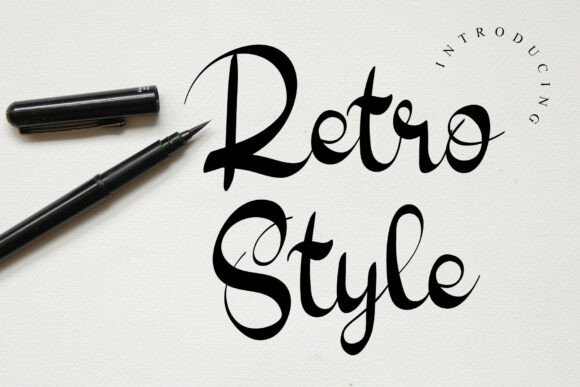
There's a particular kind of visual energy that comes from a real brush pen hitting paper—the slight drag of the nib, the way pressure creates a bold downstroke that thins to a whisper on the upstroke. Retro Style captures that tactile, hand-lettered quality and packages it into a premium font ready for your next project. This isn't another generic script font trying to look handwritten. It's a carefully crafted display font that channels mid-century calligraphy with genuine sophistication.
What Makes Retro Style Visually Distinct
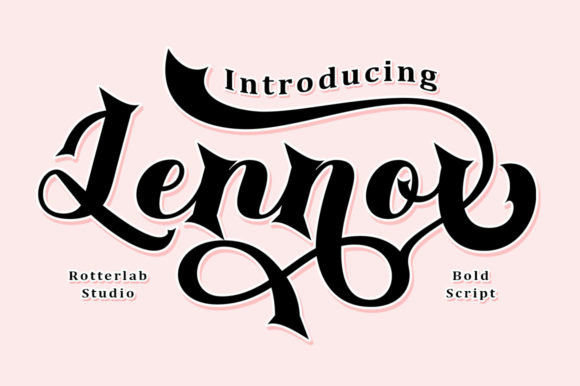
At its core, Retro Style is a bold brush calligraphy font built on high-contrast strokes. The body of each letter carries real weight—thick, confident, and grounded—while the connecting loops and flourishes taper into ultra-fine hairlines. That contrast is what gives the typeface its dramatic personality. It reads as elegant without feeling fragile, expressive without becoming illegible.
The letterforms flow with a rolling, connected rhythm. You can almost see the invisible hand moving across the page, lifting and pressing in a natural cadence. This fluid motion is what separates Retro Style from more rigid or geometric typefaces. It doesn't just sit on the page—it moves. That quality alone makes it a powerful tool for anyone working in logo design, packaging design, or any context where a headline needs to command attention instantly.
The overall aesthetic leans into vintage glamour without feeling dated. Think mid-century cocktail bars, classic Hollywood title cards, and the golden age of hand-painted signage. It carries a sense of occasion, which makes it ideal for projects that need to feel special, curated, or luxurious.
Where Retro Style Truly Shines
Not every typeface works everywhere, and that's perfectly fine. Retro Style is a creative font designed for moments where impact matters more than extended reading. Here's where it performs best:
- Luxury packaging design: Think artisan chocolates, craft spirits, boutique candles, or high-end cosmetics. The brush calligraphy style signals handcrafted quality and premium positioning.
- Retro boutique logos: For brands that want to evoke nostalgia—vintage clothing shops, barbershops, record stores, or specialty coffee roasters—this script font delivers instant character.
- Event branding: Wedding invitations, gala programs, anniversary celebrations, and milestone events benefit from the font's glamorous, celebratory tone.
- Editorial design and book covers: A chapter title or cover set in Retro Style immediately tells readers they're in for something with personality.
- Social media graphics: Bold, expressive typography stops the scroll. Use it for quote graphics, sale announcements, or brand posts that need visual punch.
- Greeting cards and stationery: Whether you're a professional designer or a hobbyist selling on Etsy, this font adds a handcrafted, artisanal feel to cards, prints, and invitations.
It's worth noting that Retro Style is a display font, which means it's optimized for large-scale use—headlines, logos, signage, and hero text. Pairing it with a clean sans serif font or a simple serif font for body copy is essential. Using a calligraphic display font at small sizes for paragraphs is a common mistake that sacrifices readability. Let Retro Style do what it does best: make a statement at the top.
How This Font Influences Brand Perception
Typography shapes how people feel about a brand before they read a single word. The typeface you choose for a logo, a website header, or a product label communicates personality in milliseconds. Retro Style sends a specific signal: this is a brand that values craft, elegance, and a sense of history.
For a small business owner developing a brand identity, that signal can be transformative. A bakery using this font on its packaging and web design elements immediately feels more established, more intentional, more worth the premium price point. A blogger using it for post headers creates a visual signature that readers begin to recognize across platforms. Consistency in typography builds trust, and trust builds audience engagement.
There's also the matter of visual hierarchy. Strong modern typography relies on contrast—between headline and body text, between bold and light weights, between expressive and neutral styles. Retro Style provides that expressive anchor. When you pair it thoughtfully with a geometric sans serif font or a classic serif font, you create a clear reading path. The eye knows exactly where to land first, and that's half the battle in effective design assets.
Practical Guidance for Working with Retro Style
Before committing to any commercial font, it's smart to evaluate fit. Here are a few things I'd recommend considering:
- Test it in context. Don't just look at the character map. Set your actual headlines, your brand name, your tagline. See how the letterforms interact with your specific words. Some combinations of letters flow beautifully in calligraphic fonts while others create awkward spacing.
- Review the full character set. A quality premium font will include alternates, ligatures, and stylistic variations. These extras let you customize the look and avoid that "off-the-shelf" feeling. Check whether Retro Style includes the glyphs you need for your language and project type.
- Evaluate font pairings carefully. Try it alongside several body text options. A humanist sans serif font often complements brush calligraphy well because it shares some organic quality without competing. A traditional serif font can also work if you want a more classic, editorial feel. Avoid pairing it with another expressive handwritten font—the result is usually visual noise.
- Check the licensing terms. If you're using the font for a client project, merchandise, or a product you sell, make sure the license covers commercial use. This is a detail that trips up many designers and small business owners. Read the fine print before you build your entire brand identity around it.
- Consider readability at your intended size. Print a sample or view it on multiple screens. The fine hairlines in Retro Style are beautiful at large sizes but may disappear on low-resolution displays or small print. Adjust your usage accordingly.
One more observation from experience: fonts like this reward restraint. You don't need to use every alternate or add flourishes to every letter. Often, the most effective use of a bold calligraphy font is selective—letting a few key words carry the expressive weight while the rest of the layout stays clean and structured. That balance is what separates polished editorial design from a scrapbook page.
Bringing It All Together
Retro Style isn't trying to be everything. It's a focused, well-executed display font that does one thing exceptionally well: it brings dramatic, vintage-inspired elegance to headlines, logos, and high-impact typography. Whether you're a designer building a brand system, a crafter selling handmade goods, or a marketer creating social media graphics that need to stand out, having a reliable bold script font in your toolkit is genuinely useful.
The key is matching the font to the right moment. Use it where its personality enhances the message rather than competes with it. Pair it thoughtfully. Test it with real content. And let its handcrafted energy do what it was designed to do—make your work feel like it was made with care.