Rainbow Chalk: Recreate the Nostalgia of Sidewalk Masterpieces
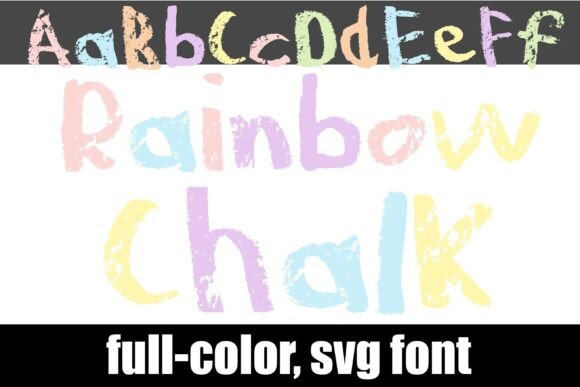
There’s a specific kind of joy tied to the gritty texture of a piece of chalk scraping against pavement. It’s tactile, imperfect, and deeply nostalgic. As designers and content creators, we often spend hours trying to scrub the "digital" feel out of our work to make it look more human. Rainbow Chalk solves this problem instantly. It is a masterfully textured full-color SVG font that captures the granular, powdery essence of real chalk strokes. Unlike standard vector fonts that simply outline a shape, this typeface maintains highly detailed, textured edges and translucent overlays where colors meet, creating a sense of depth that feels authentically hand-drawn.
The Anatomy of a Textured Masterpiece
To appreciate what Rainbow Chalk brings to your design toolkit, you have to look at the technical execution. Standard fonts rely on flat color fills. Even high-quality handwritten fonts or script fonts often feel sterile because they lack the physical imperfections of the medium. Rainbow Chalk operates on a different level. It utilizes the SVG (Scalable Vector Graphics) format to embed high-resolution raster data within the vector file. This means the font contains actual pixel data that mimics the dust and grit of chalk.
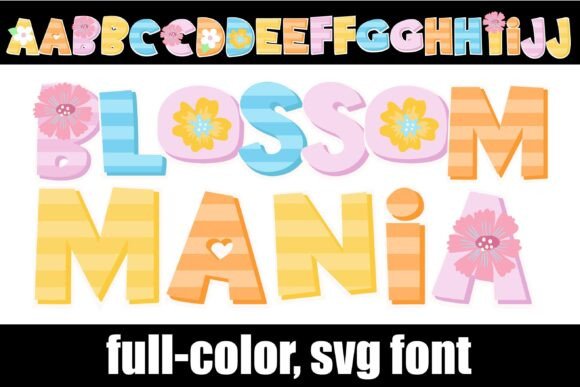
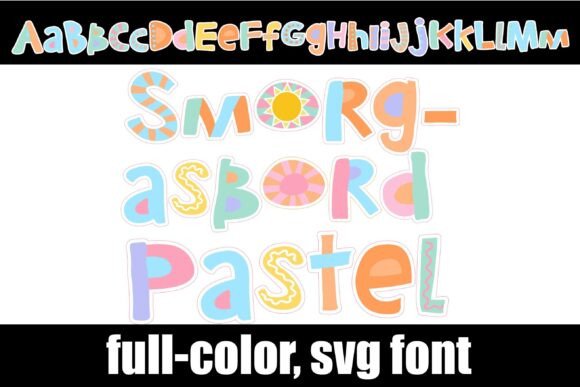
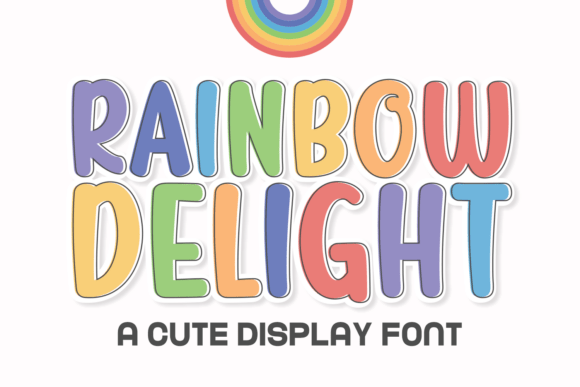
The visual personality of Rainbow Chalk is defined by its color palette. It transitions through a delicate, sun-bleached rainbow of dusty pinks, soft lavenders, pale blues, and warm yellows. This isn't the neon palette of a modern screen; it’s the weathered look of pastels left out in the sun. The result is a premium font that feels warm and inviting. It avoids the harshness of black text, replacing it with a soft, approachable aesthetic that immediately lowers the barrier between the brand and the audience.
Strategic Applications: Where Texture Tells the Story
Choosing a display font like Rainbow Chalk requires an understanding of context. Because of its detailed texture and colorful nature, it is not suited for body copy or small-scale legal text. However, for headlines and titling, it is an extraordinary asset. Here is where it truly shines:
- Editorial and Publishing: If you are designing a children’s book cover or a magazine feature about outdoor activities, Rainbow Chalk delivers a rich sense of storytelling charm. It sets a playful tone instantly without needing supporting illustrations.
- Branding and Packaging: For artisanal hobby brand logos or organic product packaging, this font communicates "handmade" and "natural." It works beautifully for a bakery, a craft store, or a farmers' market menu header where you want to evoke a sense of community and freshness.
- Digital and Web Design: On a website, a hero image featuring Rainbow Chalk can break the monotony of standard sans serif or serif font pairings. It draws the eye and creates a focal point that feels personal and engaging.
- Social Media Graphics: Instagram and Pinterest thrive on visual personality. Using Rainbow Chalk for quotes, announcements, or sale graphics helps your content stand out in a feed dominated by generic modern typography.
Influence on Brand Perception and Hierarchy
Typography is rarely just about legibility; it is about emotion. When you use Rainbow Chalk, you are making a deliberate choice to appear approachable and creative. In brand identity, this font suggests that the business is not a faceless corporation, but a group of people who value creativity and freedom. It creates an immediate emotional connection with parents, educators, and creative hobbyists.
Furthermore, Rainbow Chalk helps establish a strong visual hierarchy. Because it is a high-impact display font, it naturally commands the top position in your layout. When paired correctly, it forces the viewer to read the headline first, absorbing the playful mood before moving on to the details. This separation of "mood" (via the headline) and "information" (via the body text) allows for a cleaner, more effective design strategy.
Practical Integration and Font Pairings
Integrating a specialized asset like Rainbow Chalk into a professional workflow requires some nuance. You cannot simply drop it into a document and hope for the best. The key to using this creative font effectively is contrast.
Because Rainbow Chalk is textured, colorful, and distinctly casual, it pairs best with clean, neutral typefaces. A geometric sans serif font for your body copy is often the best choice. The clean lines of the sans serif will not compete with the gritty texture of the chalk, allowing the headline to pop. Avoid pairing it with other handwritten fonts or overly decorative script fonts, as this will create visual clutter and reduce readability.
Evaluating Fit and Licensing
Before committing to Rainbow Chalk for a large-scale project, test it in the specific environment where it will live. SVG fonts can sometimes behave differently across various software platforms. Ensure your design assets are compatible with your version of Photoshop, Illustrator, or Canva.
Additionally, consider the commercial aspect. If you are using this for a logo design or packaging design, verify the licensing. Most premium fonts require an extended license for products intended for resale. Rainbow Chalk is a professional tool, and treating it as such ensures your brand identity remains legally sound.
Ultimately, Rainbow Chalk is more than just a typeface; it is a piece of nostalgia that fits in your digital toolkit. It transforms standard text into a chalk-dusted playground, offering a bridge between the digital precision of web design and the imperfect beauty of the real world. For projects that need a human touch, few tools are as effective.