Objective: The Festive Typeface That Captures Holiday Magic
Every designer knows the challenge: you need a typeface that doesn't just sit on the page but actively communicates a feeling. When the project calls for warmth, nostalgia, and a dash of whimsy, Objective steps into the spotlight. This isn't just another decorative font; it's a tool engineered to evoke the specific, cheerful ambiance of the holiday season, making it an essential asset for seasonal branding and creative projects.
The Visual Anatomy of Whimsy
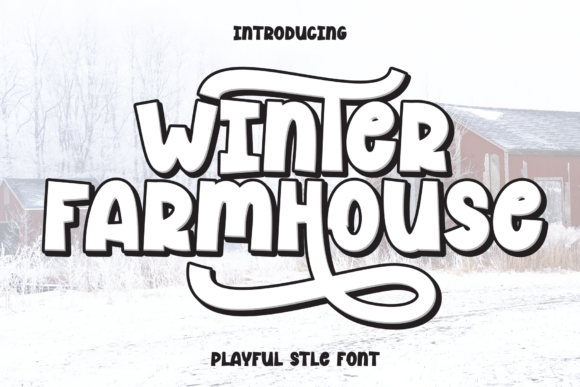
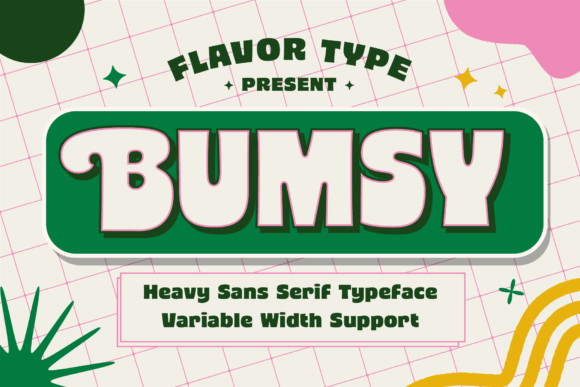
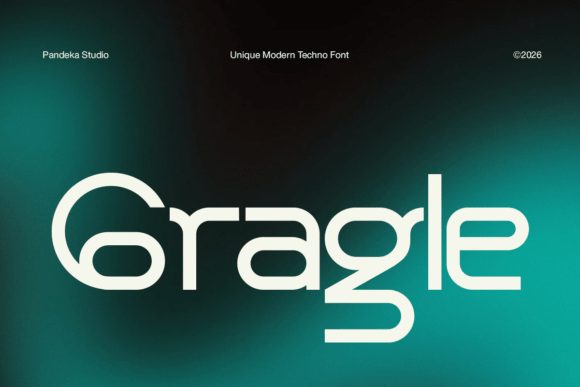
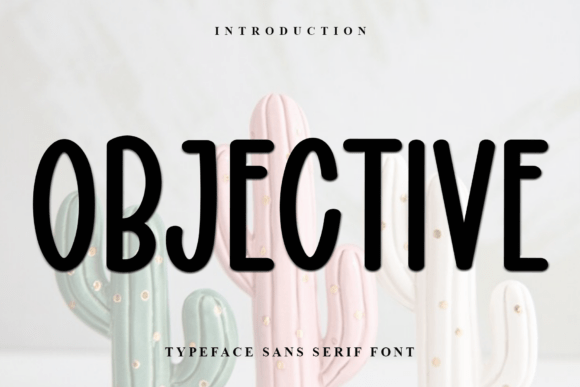
At first glance, Objective reads as a confident, decorative display typeface. It balances legibility with flair, avoiding the overly ornate pitfalls that render many "holiday" fonts unreadable at smaller sizes. The letterforms are designed with a rhythmic flow, often featuring subtle swashes and rounded terminals that soften the visual impact. This design choice moves the font away from rigid, corporate structures and toward a more organic, handmade aesthetic.
What truly defines this typeface is its personality. It carries a nostalgic weight, reminiscent of mid-century greeting cards and vintage packaging, yet it possesses a modern crispness that prevents it from looking dated. The kerning and spacing are calibrated to allow the decorative elements to breathe, ensuring that the visual "noise" doesn't crowd the message. For designers seeking a premium font that bridges the gap between a formal serif font and a playful script font, Objective offers a compelling middle ground.
Strategic Applications: Beyond the Christmas Card
While the obvious application is seasonal—think gift tags, wrapping paper, and holiday greeting cards—limiting Objective to December is a missed opportunity. Its whimsical flair makes it a strong contender for industries that rely on trust and warmth year-round. Bakeries, boutique toy shops, children’s event planners, and artisanal crafters can leverage this typeface to build a brand identity that feels approachable and high-quality.
In the realm of publishing and editorial design, Objective shines as a headline font for lifestyle blogs or magazine covers focusing on family, home, or celebration. It captures attention instantly without aggressive marketing tactics. For entrepreneurs and small business owners, using this font in logo design can signal a brand personality that is friendly and customer-centric. However, context is key. A high-tech SaaS company or a luxury law firm would find the font too casual; this is a typeface for brands that want to connect on a human, emotional level.
Pairing and Hierarchy
A common mistake with decorative typefaces is pairing them with another stylized font, leading to visual chaos. Objective demands a grounding partner. To maintain a professional hierarchy, pair it with a clean sans serif font or a legible serif font for body copy. For example, using Objective for the main headline establishes the mood, while a geometric sans serif like Montserrat or a classic serif like Georgia handles the heavy lifting of the paragraph text. This contrast ensures that the whimsy of the headline doesn't bleed into the readability of the content.
Technical Versatility and PUA Encoding
A font is only as good as its usability. One of the standout features of Objective is its PUA (Private Use Areas) encoding. In practical terms, this means all the extra glyphs, ligatures, and stylistic alternates are fully accessible without requiring advanced design software. Whether you are a seasoned typographer in Adobe Illustrator or a hobbyist using a basic web builder, you can easily swap out standard characters for more decorative versions.
This accessibility is vital for content creators and social media managers who need to produce high-volume graphics quickly. Imagine creating a series of Instagram Stories or Pinterest pins; the ability to quickly toggle between a standard "A" and a flourished "A" allows for variety within a consistent brand voice. It ensures that your typography shines, adding that "magic" touch without requiring hours of manual vector manipulation.
Readability in the Digital Age
When integrating Objective into web design or digital marketing assets, readability remains the priority. This font performs best at larger point sizes—typically 24pt and above. It is a display font, not a body font. Using it for long-form text on a screen will fatigue the reader. Instead, use it for call-to-action buttons, hero section headers, or email subject lines. Its distinctiveness aids in visual hierarchy, guiding the user’s eye exactly where you want it to go. By respecting the font's intended use as a headline or accent typeface, you maintain the professionalism of your design while leveraging its festive charm.
Evaluating Fit and Licensing
Before incorporating any new design asset into your workflow, a quick evaluation of fit is necessary. Ask yourself: Does this font align with the emotional core of the project? If the goal is to convey serious data, Objective is the wrong tool. If the goal is to celebrate, invite, or delight, it is the right one.
Furthermore, understanding the licensing is crucial for commercial viability. Because Objective is a premium font, it typically comes with specific terms regarding commercial use, embedding in apps, or use on merchandise for sale. Always review the license to ensure it covers your specific needs, whether you are a freelancer creating assets for a client or a business owner designing your own packaging. This due diligence protects your business and respects the intellectual property of the type designers.
Ultimately, Objective is more than just a collection of letters; it is a mood setter. It brings a cheerful, nostalgic energy that can transform a flat design into an engaging visual story. By applying it thoughtfully—balancing its decorative nature with clean typography and respecting its technical strengths—you can harness its festive spirit to create designs that truly resonate with your audience.