Miracle Calligraphy: A Guide to Elegant Script Design
Understanding the Flow and Style of Miracle Calligraphy
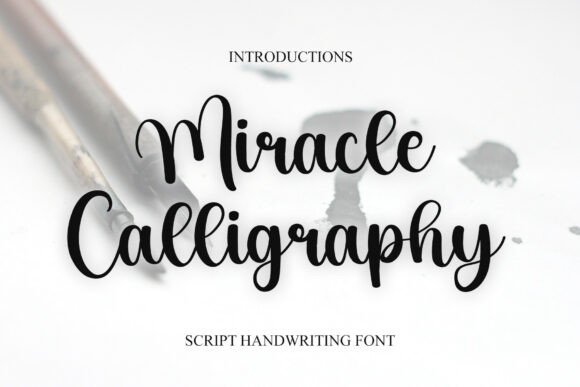
When you first encounter Miracle Calligraphy, the immediate impression is one of movement. It isn't a static typeface sitting rigidly on a baseline; it feels alive. As a handwritten font, it captures the organic imperfections and fluid strokes of traditional penmanship, but it does so with a level of polish that feels distinctly modern. It strikes a balance that is difficult to find in many script fonts—it is elegant enough to feel luxurious, yet legible enough to be functional in specific contexts.
Visually, Miracle Calligraphy features thin, delicate strokes that connect seamlessly. The characters flow into one another, creating a rhythmic cadence that guides the eye across the page. This premium font is categorized as a display font, meaning its primary strength lies in headlines, logos, and short bursts of text where personality needs to take center stage. It possesses a timeless quality; it doesn't lean too heavily into current trends, which gives your designs a longer shelf life. Whether you are designing for a vintage aesthetic or a sleek, modern layout, this typeface adapts to the mood you set.
Strategic Applications: Where This Creative Font Shines
Choosing the right typeface is rarely just about what looks good in isolation; it is about how the font interacts with the medium. Miracle Calligraphy is a versatile creative font, but understanding its sweet spots ensures you get the most out of your design assets.
Branding and Logo Design
In logo design, particularly for service-based businesses, boutiques, and creative entrepreneurs, Miracle Calligraphy offers a distinct advantage. It instantly communicates a human touch. If you are building a brand identity that values connection, craftsmanship, or elegance, this font serves as a strong foundation. Think of wedding planners, florists, beauty salons, or artisan bakeries. The script style suggests that there is a real person behind the brand who cares about details. However, a critical design tip here is to ensure the font size is large enough to preserve the integrity of the thin swashes. In brand identity work, scalability is key.
Digital and Web Design
In the realm of web design, Miracle Calligraphy should be used as an accent, not the workhorse. You would not use it for body copy on a blog post—that would be a readability nightmare. Instead, use it for hero section headlines, pull quotes, or section headers to break up the monotony of standard sans serif or serif text. It pairs exceptionally well with a clean, geometric sans serif font. The contrast between the rigid structure of the sans serif and the flowing nature of the calligraphy creates a dynamic visual hierarchy that keeps the user engaged. On social media graphics, it is perfect for quote overlays or sale announcements where you need to grab attention quickly.
Packaging and Editorial Design
For packaging design, Miracle Calligraphy brings a tactile quality. It suggests that the product inside is premium or handmade. It works beautifully on labels for wine bottles, cosmetic jars, or gourmet food packaging. In editorial design, such as magazine layouts or book covers, it serves as a sophisticated headline choice that sets a mood of intimacy or romance. It allows designers to inject personality into layouts that might otherwise feel sterile or overly corporate.
The Technical Edge: PUA Encoding and Glyphs
One of the most practical aspects of Miracle Calligraphy is its technical construction. As a PUA encoded font, it offers a level of flexibility that standard fonts do not. PUA, or Private Use Area, encoding means that all the extra stylistic elements—those beautiful swashes, ligatures, and alternate characters—are accessible even in basic programs that don't usually support OpenType features.
For the average user, this is a massive benefit. You don't need to be a wizard in Adobe Illustrator to access the fancy bits of the font. Whether you are working in Cricut Design Space, Microsoft Word, or Canva, you can usually access these glyphs through a character map. This accessibility makes Miracle Calligraphy a powerful tool for crafters and hobbyists who want professional-looking results without a steep learning curve. It ensures that your commercial font investment pays off because you can actually use all the features included in the download.
Design Principles: Pairing and Readability
Using a script font effectively requires restraint. The biggest mistake creatives make with fonts like Miracle Calligraphy is overusing them. If every headline, sub-header, and button is written in elaborate cursive, the design becomes exhausting to look at.
Finding the Perfect Font Pairing
The goal of font pairing is harmony. Miracle Calligraphy has a distinct personality, so it needs a partner that plays a supporting role rather than competing for attention. A sturdy serif font can provide a classic, authoritative foundation, while a clean sans serif font offers a modern, minimalist backdrop. The key is to look at the "x-height" and the weight. Since Miracle Calligraphy is delicate, pairing it with an ultra-bold, heavy font might make the script look weak by comparison. Instead, opt for a medium-weight body font that supports the elegance of the script without overpowering it.
Color and Spacing
Because the strokes of Miracle Calligraphy are somewhat thin, color choice matters. High contrast is your friend. Dark charcoal or deep navy text on a white background works best. Avoid placing this font over busy, textured backgrounds or low-contrast colors like light grey on white, as the legibility will suffer. Additionally, modern typography practices suggest giving script fonts a little extra breathing room. Increasing the letter spacing (tracking) slightly can improve readability and give the design a more luxurious, high-end feel.
Making the Decision: Is Miracle Calligraphy Right for Your Project?
Before integrating any design assets into your workflow, it is worth taking a moment to evaluate the fit. Miracle Calligraphy is a fantastic tool, but it is specific. If your project requires dense paragraphs of text or strict accessibility standards for visually impaired users, this is not the font for the body copy.
However, if your goal is to evoke emotion, establish a sophisticated brand tone, or create a focal point in your layout, it is an excellent choice. It is particularly effective for entrepreneurs and small business owners looking to elevate their visual presence without hiring a bespoke lettering artist. It provides that high-end, custom look at a fraction of the cost.
Ultimately, Miracle Calligraphy is about adding a human element to digital design. In a world of rigid grids and automated typesetting, a flowing, elegant script reminds us that design is, at its heart, a creative endeavor. By using it wisely, respecting its style, and leveraging its technical features, you can create designs that are not only beautiful but also effective in communicating your message.