Amithen: The Textured Brush Font for Authentic Design
There’s a particular kind of energy that comes from something genuinely handmade. It’s the slight wobble in a signature, the varied pressure of a brushstroke, the imperfection that proves a human was involved. In a digital landscape often dominated by geometric precision and sterile vectors, that organic quality has become a powerful differentiator. Amithen is a premium font that captures this exact essence. It’s a textured brush typeface designed not to mimic a perfect digital rendering, but to embody the natural, irregular character of hand-lettering. This isn't just another script or handwritten font; it’s a tool for injecting immediate personality and warmth into a project.
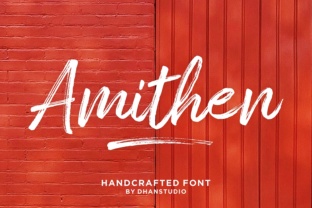
The visual DNA of Amithen is defined by its contemporary approach to a classic style. The baseline isn't rigid—it flows with a subtle, natural irregularity that mimics how a hand moves. The texture within each letterform is key; it’s not a flat silhouette but a detailed representation of actual brush fibers, adding depth and a tactile quality you can almost feel. This makes it a standout creative font for display purposes, where every letter is part of the visual statement. It communicates approachability, creativity, and a certain effortless cool, making it far more than just decorative—it’s communicative.
Where Amithen Truly Shines: Practical Applications
Understanding a font's personality is one thing; knowing where to deploy it is another. Amithen’s strength lies in projects where authenticity and a personal touch are paramount. It’s a versatile asset in a designer’s toolkit, but its impact is maximized in specific contexts.
Branding & Logo Design: For businesses that want to feel human and approachable, Amithen can be transformative. Imagine it for a boutique coffee roaster, a artisanal bakery, a independent bookstore, or a wellness coach. In logo design, it works beautifully as a primary logotype or as a complementary wordmark paired with a clean, modern sans serif font. It instantly tells a story of craftsmanship and care, helping to build a brand identity that feels genuine rather than corporate.
Marketing & Social Media: In the scroll-stop environment of social media, Amithen’s textured presence is a major asset. It’s perfect for bold headlines on Instagram graphics, Facebook ads, or Pinterest pins. Use it for promotional quotes, sale announcements, or podcast cover art. Its irregular baseline and tactile feel make text feel less like an advertisement and more like a note from a friend, which can significantly boost audience engagement. For email marketing headers or blog post titles, it adds a layer of visual interest that standard web-safe fonts lack.
Publishing & Editorial Design: This is where Amithen’s display font qualities excel. Think book covers for contemporary fiction, memoirs, or lifestyle guides. It sets a tone before a single word of the content is read. In editorial design, it can be used for pull quotes, chapter titles, or magazine feature headers, breaking the monotony of body text and guiding the reader’s eye. It pairs exceptionally well with a neutral serif font for body copy, creating a dynamic and readable visual hierarchy.
Packaging & Physical Products: The texture of Amithen translates beautifully to print. On product packaging—for items like candles, skincare, craft beer, or gourmet foods—it conveys quality and a small-batch sensibility. The detail holds up well in larger print sizes, making it ideal for labels, tags, and box art. It helps a product stand out on a shelf crowded with sleek, minimalist designs by offering something with more heart and character.
Making Amithen Work: A Designer’s Practical Guide
Adopting any new typeface requires more than just liking how it looks. You need to evaluate its practical fit for your project’s goals and technical requirements. Here’s how to approach integrating Amithen effectively.
Test for Context and Readability: Always test the font in the specific environment where it will live. A font that looks stunning on a poster may become challenging on a small mobile screen. Because of its textured, brush nature, Amithen is best used for larger display text—headlines, titles, logos, and short phrases. Avoid setting long paragraphs of body copy with it; the texture and irregularity that make it charming at large sizes can reduce readability in dense text blocks. A good practice is to mock up your design at actual size to see how the details render.
Master the Art of Font Pairing: The key to using a strong display font like Amithen is pairing it with a complementary typeface. For a balanced, professional look, pair it with a clean, geometric sans serif font. This contrast allows Amithen’s personality to shine without overwhelming the design. For a more traditional or elegant feel, a classic, highly readable serif font can work beautifully. The rule of thumb is to let Amithen be the star of the show for headlines, and use its partner for supporting text and body copy.
Review the Full Character Set: Before finalizing a project, explore all the styles and glyphs included with the font. A well-designed premium font like Amithen often comes with alternates, swashes, and ligatures. These extra characters are not just ornaments; they are tools for solving specific design problems. They can help you avoid awkward letter combinations, create a more custom look, or add a flourish that elevates the entire composition. Checking the commercial license is also non-negotiable for any client or commercial project to ensure proper usage rights.
Ultimately, Amithen is more than just a collection of letters. It’s a design asset that bridges the gap between digital precision and human expression. Its value lies in its ability to communicate a specific, authentic mood across a wide range of applications, from digital branding to physical packaging. By understanding its strengths and applying it with intention, you can leverage this textured brush font to create work that resonates on a more personal and engaging level.